Three Mushrooms - Hand Embroidery
A Thoughtful, Whimsical Pattern for Meaningful Personalized Gifts
As an embroidery designer who’s developed over 200 hand-stitched patterns for gift shops, Etsy sellers, and baby product lines, I approached Three Mushrooms - Hand Embroidery with both curiosity and practical intent. My goal? To see if this design delivers emotional resonance *and* real-world usability—especially for makers crafting personalized gifts like nursery blankets, kitchen towels, wedding keepsakes, or custom tote bags. The answer is a warm, confident yes—with thoughtful boundaries.
First Impressions: Sweet, Earthy, and Quietly Sophisticated
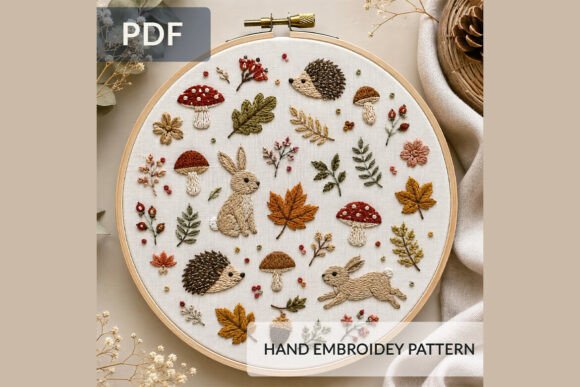
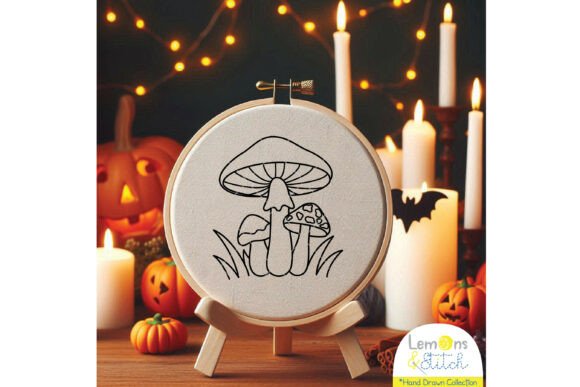
Unfolding the letter-size paper, I was immediately drawn to its gentle rhythm: three distinct mushrooms—each with subtle variation in cap shape, stem thickness, and gill detail—nestled into a soft, flowing grass pattern. It doesn’t shout. It invites. This isn’t cartoonish or overly stylized; it’s grounded, botanical, and quietly nostalgic. Think woodland storybooks, heirloom linens, or a grandmother’s embroidered tea towel—not trendy clipart. The charm lies in its handmade authenticity: slight asymmetry, organic line weight, and breathing room between elements. It feels sweet, yes—but also elegant, seasonal (perfect for spring showers or autumn harvest), and deeply handmade. Customers browsing for a meaningful baby embroidery or a quiet wedding gift will sense that sincerity before they even pick up a needle.
Versatility That Fits Real-Life Product Needs
Three Mushrooms - Hand Embroidery shines across categories where emotional connection matters most:
- Baby embroidery: Ideal for onesies (on stable cotton), swaddles, or milestone blankets—especially paired with soft pastel threads. Its nature theme feels nurturing, not cutesy.
- Wedding gift: Stitched onto linen napkins, guestbook covers, or pillow covers for the couple’s first home—it whispers “thoughtful,” not “themed.”
- Nursery decor: Works beautifully on wall hangings, quilt blocks, or shelf liners. At 5–6 inches, it anchors a neutral space without overwhelming.
- Personalized towel & apron: The grass base gives natural grounding on terry cloth or linen-look fabric. Just avoid high-stress seams or heavy scrub zones.
- Etsy seller & small shop product: With six size options (3 to 8 inches), you can offer tiered pricing—small for tags or sachets, large for statement pillows. It photographs exceptionally well against natural light and textured backdrops.
This isn’t just a digital embroidery file—it’s a storytelling tool. When customers see a finished personalized gift stitched from Three Mushrooms - Hand Embroidery, they don’t see “pattern.” They see care, intention, and time invested. That perception lifts perceived value, builds trust in your handmade product, and deepens buyer engagement—especially for repeat buyers seeking heirloom-quality pieces.
Where to Use It Carefully—And Why
While versatile, Three Mushrooms - Hand Embroidery has clear sweet spots—and limits worth honoring:
- Avoid stretchy baby clothes: The grass motif relies on clean, stable lines. Knits distort stitch placement and blur delicate stems.
- Think twice about thick, napped towels: Heavy terry hides fine grass details. Opt for smoother cotton or linen blends instead.
- No machine embroidery design conversion: As stated, this is a needlepoint template for hand stitching—not a digitized embroidery file. Don’t attempt auto-digitizing; it won’t translate.
- Dark fabric needs contrast testing: Grass lines fade on charcoal or navy unless you use bright ecru, gold, or mint thread. Always do a printable mockup first.
- Curved surfaces (mugs, curved tote straps): Distort the mushroom proportions. Stick to flat or gently rounded areas like pillow fronts or tote centers.
- Frequent-wash items: Recommend hand-stitching with colorfast DMC or Anchor floss—and reinforce backs with lightweight tear-away stabilizer for longevity.
Practical Embroidery Notes for Makers & Sellers
Before stitching for a customer—or listing on Etsy—run these checks:
- Test on scrap fabric matching your final product (e.g., terry cloth for towels, quilting cotton for blankets).
- Confirm hoop size fits your chosen dimension—especially at 7” or 8”, where larger hoops (6"+) prevent distortion.
- Review stitch density visually: The grass pattern flows, but dense satin stitches on caps may need gentle padding for dimension. Avoid over-stuffing.
- Use proper stabilizer: For loosely woven fabrics, try medium-weight cutaway. For stable cottons, tear-away works well.
- Compare light/dark fabric mockups: A single thread color behaves differently on ivory vs. slate gray—document both for your product photos.
- Check small details post-stitching: Mushroom gills and grass tips are subtle—ensure they read clearly at intended viewing distance (e.g., 24" for wall art vs. 6" for a baby bib).
- Verify commercial licensing: Since this falls under Hand Embroidery Patterns and Graphics, confirm usage rights before selling finished products—especially for wholesale or digital resale.
Remember: Three Mushrooms - Hand Embroidery isn’t about speed or automation. It’s about presence—the quiet joy of guiding thread through fabric, one intentional stitch at a time. That’s what makes it perfect for personalized gifts where meaning outweighs mass production. Whether you’re an Etsy seller building a nature-inspired collection, a wedding gift designer curating timeless tokens, or a baby product creator layering soft symbolism into every stitch—this pattern earns its place in your toolkit.
It doesn’t just decorate a towel or blanket. It holds space—for wonder, for growth, for the small, resilient things that bloom where they’re tended.