Pink Princess Swan Embroidery
First Impression: Soft, Whimsical, and Instantly Recognizable
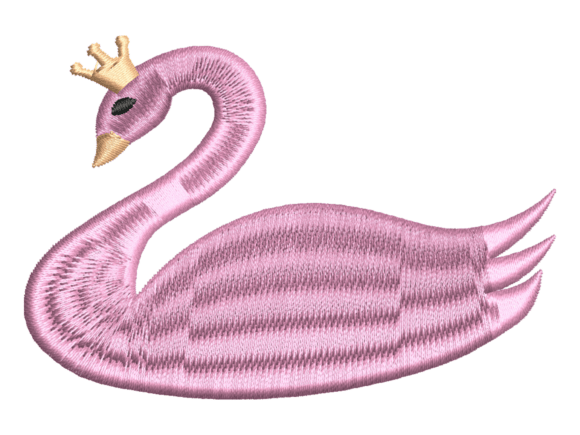
As an embroidery designer who’s prepped over 200 craft fair booths—and watched which designs stop foot traffic versus which fade into the background—I’ll say it plainly: Pink Princess Swan Embroidery lands with gentle confidence. It’s not bold or edgy. It’s not rustic or minimalist. It’s soft-elegant whimsy—a mood that resonates deeply with shoppers browsing handmade markets for giftable, heartfelt items. The title alone conjures clarity: pink (approachable, feminine, joyful), princess (playful sophistication), swan (grace, quiet strength, birds category appeal). That combination reads instantly—even from six feet away at a crowded booth.
Where It Shines: Craft Fair Product Pairings That Sell
This machine embroidery design thrives where charm meets utility. On a natural canvas tote bag? Perfect—it anchors the front without overwhelming, especially when placed slightly off-center above the seam. As apron embroidery? Ideal for the chest pocket or lower left corner; it adds personality without competing with functional pockets or straps. For tea towel embroidery? A single swan near the top hem gives kitchen linens a boutique feel—especially on ivory, oatmeal, or blush linen-cotton blends.
It’s also a standout embroidered patch—clean-edged, balanced in scale, and rich enough in detail to justify a $8–$12 price point. When stitched onto small fabric pouches or pillow covers, Pink Princess Swan Embroidery elevates the item from “cute” to “curated.” And yes—it works beautifully on structured caps, but only on the front panel (not curved sides), where the swan’s posture reads clearly and the pink thread pops against navy, charcoal, or heather grey.
What Makes It Booth-Ready (and Etsy-Listable)
This embroidery file is inherently display-smart. Its composition—centered swan, subtle crown motif, soft curve of the neck—creates natural visual flow. That means your real-world mockups photograph well: no awkward cropping, no lost details in shadows, no confusing negative space. As a printable mockup asset, it scales cleanly across product templates—from square Instagram posts to Etsy banner headers.
For batch production? Highly repeatable. The design avoids extreme density gradients or micro-detailing that slows stitching or demands constant thread changes. Most versions include 3–5 thread colors max—keeping bobbin swaps minimal and color transitions smooth. That’s critical when embroidering 30+ tote bags in one weekend prep session.
Careful-Use Notes Every Designer Should Check
- Dense stitch areas: The swan’s wing feathers and crown filigree may compress on thick fabrics—test on your final substrate before full production.
- Small lettering: If your version includes “Princess” as script text beneath the swan, verify legibility at 2.5” width—some files render fine at 3”, but shrink below that.
- Curved cap surfaces: Avoid placing near the bill seam or back strap—distortion risk increases there.
- Dark fabric: Pink thread can mute on black or deep burgundy—always test contrast with your chosen thread brand (e.g., Isacord vs. Madeira).
- Textured towels: Terry cloth or heavy waffle weave may obscure delicate feather outlines—opt for flat-weave cotton or linen-look towels instead.
How It Strengthens Your Handmade Brand
In a sea of generic florals and overused quotes, Pink Princess Swan Embroidery offers quiet differentiation. It feels intentional—not trendy, but timeless enough for baby showers, bridal gifts, teacher appreciation, or self-care bundles. Customers notice it because it balances familiarity (swan = grace) with freshness (pink + princess = modern femininity). That duality builds trust: your booth signals both skill and storytelling.
It also supports brand consistency. Use it across your small shop product line—tote + pouch + tea towel—and you create a cohesive collection. That cohesion translates directly to buyer engagement: shoppers who love one item are far more likely to add a second when the embroidery language matches.
Essential Embroidery Designer Checks Before Production
- Test the embroidery file on scrap fabric matching your final product’s weight and weave.
- Confirm thread contrast—especially if using eco-friendly or matte threads that diffuse light differently.
- Review spacing between swan elements and outer edge—ensure no clipping occurs in your hoop size.
- Inspect stitch density visually (not just by count)—dense zones should still breathe on lightweight cotton.
- Match stabilizer to fabric: cutaway for knits, tear-away for stable wovens, fusible for lightweight linens.
- Create at least one real finished product mockup—not digital-only—before listing or packing for the fair.
- Compare how the swan reads on three fabric colors: light, medium, and dark—then choose your best-selling base.
- Verify commercial licensing terms—this digital embroidery file permits finished product sales, but always recheck the license included in your ZIP or RAR download.
Final Thought: A Quiet Workhorse for Creative Entrepreneurs
Pink Princess Swan Embroidery won’t shout—but it doesn’t need to. In handmade markets, the most reliable sellers are often the ones that whisper elegance, invite touch, and reward closer looking. This Birds-category embroidery file delivers exactly that: a refined, emotionally resonant motif that performs across categories, scales gracefully, and reinforces perceived value without demanding premium pricing. For Etsy sellers, boutique makers, and craft fair veterans alike, it’s not just another embroidery file—it’s a thoughtful, market-tested design asset ready to become your next best-selling handmade product.