Koala Embroidery Design
First Impression: Modern, Soft, and Instantly Recognizable
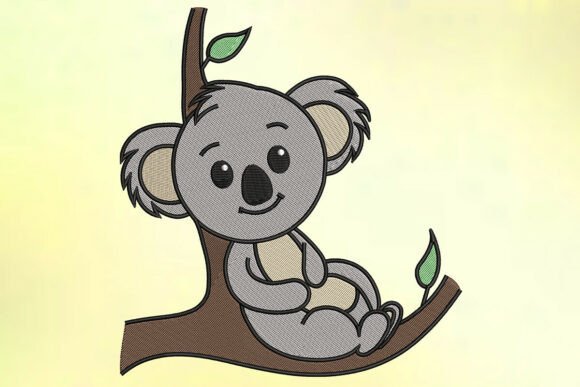
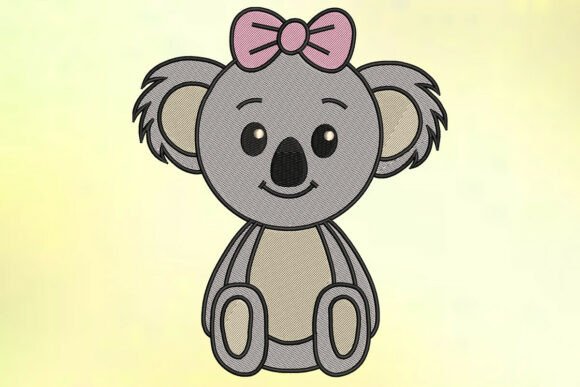
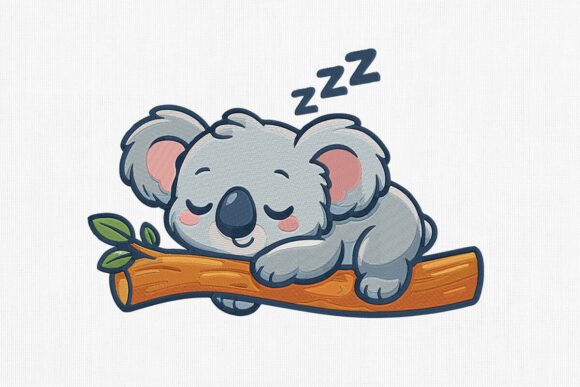
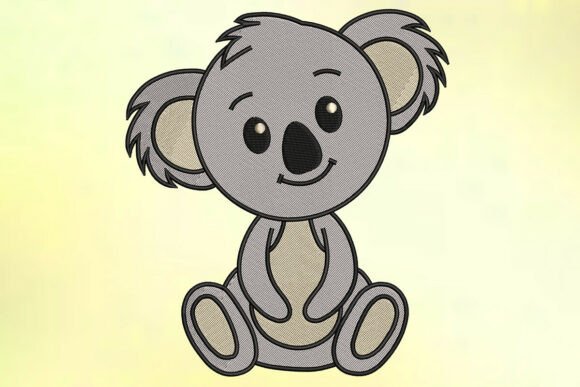
As an embroidery designer who’s prepped over 200 craft fair booths—and watched thousands of shoppers pause at a single stitch—I’ll say this upfront: Koala Embroidery Design lands with quiet confidence. It’s not loud or cartoonish; it’s modern-cute, gently rounded, and emotionally warm—like a hug in thread form. That’s gold for Baby Animals category buyers who want charm without clutter. At a glance, it reads as soft, handmade, and premium—not mass-produced. In a sea of florals and script fonts at a weekend market, this design stands out by *not* trying too hard. Its simplicity invites touch, its silhouette reads from six feet away, and its gentle curves translate beautifully across fabric types.
Where Koala Embroidery Design Shines on Craft Fair Products
This isn’t just a design—it’s a versatile product engine. Here’s where it delivers real booth ROI:
- Tote bag design: Centered on natural canvas or oat linen, Koala Embroidery Design becomes an instant conversation starter—especially at 3.5"–4.5" wide. Clean lines hold up even with daily wear.
- Apron embroidery: Positioned just above the pocket or centered on the bib, it adds warmth without competing with functional details. Works equally well on denim, cotton drill, or unbleached canvas.
- Tea towel embroidery: A 2.75" version pops on waffle weave or flour-sack cotton. The koala’s compact shape avoids dense stitching that can stiffen textured towels.
- Embroidered patch: With clean edge definition and minimal interior detail, Koala Embroidery Design converts effortlessly to sew-on or iron-on patches—ideal for kids’ backpacks, denim jackets, or boutique gift sets.
- Fabric pouches & pillow covers: Scales beautifully from 2" (on mini drawstring bags) to 5.5" (on 16" square pillows). Maintains clarity without excessive fill stitches.
- Craft fair booth samples: Mounted on cork board or pinned to a burlap runner, it reads instantly—even under tent lighting. Customers consistently reach for items featuring Koala Embroidery Design before other animal motifs.
What Makes It Sell Online—and Why Etsy Sellers Love It
Koala Embroidery Design is inherently “list-friendly.” It photographs cleanly on white, cream, and charcoal fabrics—no glare, no lost detail. For Etsy sellers and digital embroidery file shops, it pairs perfectly with minimalist product photography and printable mockups. Buyers scanning listings instantly recognize its handmade quality, and the word “koala” carries strong search intent in baby, nursery, and Australian-themed niches. As a small shop product, it lends itself to cohesive collections: pair it with matching tea towels, onesies, and wall hangings—and watch cross-sell rates climb.
Practical Production Notes Every Embroiderer Should Know
This design works best when treated with intention—not just stitched. Here’s what I check before cutting my first production run:
- Test on scrap fabric first—every time. Especially with textured towels or thick denim aprons. Koala Embroidery Design relies on smooth stitch transitions; uneven tension shows fast.
- Thread colors matter more than you think. A warm taupe or heather grey thread on natural linen reads richer than black. Avoid ultra-bright neon threads—they clash with the design’s soft mood.
- Stabilizer choice is non-negotiable. Use medium-weight cutaway for knits or stretchy tote linings; tear-away works beautifully for stable cottons and tea towels. Skip fusible web alone—it won’t support the stitch density in the koala’s ear curve.
- Hoop size & spacing are make-or-break. Confirm the design fits your most-used hoop without re-hooping mid-stitch. Also verify interior spacing—tight loops around the nose or eyes can snag if digitized too tightly.
- Dark fabric? Add a layer of topping. A light spray of water-soluble stabilizer prevents thread from sinking into deep-navy or charcoal backgrounds.
- Create at least one real mockup—not just a digital preview. See how it feels in hand. Does the stitch density make the fabric stiff? Does the koala’s face still read clearly after washing? These aren’t theoretical questions—they’re craft fair survival checks.
Design Limitations to Respect—Not Ignore
Koala Embroidery Design is elegant, but it’s not magic. It struggles in these scenarios:
- Below 1.75" wide—details like the inner ear contour or eye shape blur, especially on terry cloth or looped towels.
- On highly curved surfaces like structured baseball caps—stitch pull distorts the gentle jawline unless digitized specifically for caps (check your embroidery file notes).
- In ultra-dense fill areas—if the original digitizing used heavy satin columns, it may pucker on lightweight chambray or silk-blend fabrics.
- With mismatched thread contrast—low-contrast combos (e.g., light grey on oatmeal) lose definition in person, even if they look fine on screen.
Why This Design Strengthens Your Brand—Not Just Your Booth
When customers remember your booth, they don’t recall price tags—they recall feeling. Koala Embroidery Design supports that memory: it signals care, craftsmanship, and approachable quality. It reinforces brand consistency across tote bags, patches, and pillow covers without needing a logo. It elevates a $24 handmade product into a giftable, shelf-worthy item. And for commercial embroidery businesses, it’s repeatable—batch-friendly, low-fail, and consistently satisfying to stitch. That reliability builds trust with wholesale partners and repeat craft fair shoppers alike.
Last-Minute Designer Checklist Before Market Day
Before packing your hoop, threads, and display boards, ask yourself:
- Did I verify the embroidery file includes commercial licensing? (Essential for selling finished products.)
- Have I compared stitch density across three fabric types I’ll use?
- Is my thread palette limited to 3–4 harmonizing colors—not 8 shades that dilute cohesion?
- Do I have at least one physical sample mounted, lit, and styled exactly as it will appear on my table?
- Have I confirmed hoop size compatibility with my machine’s largest standard hoop?
Koala Embroidery Design doesn’t need gimmicks to sell. It needs thoughtful execution—and that starts with knowing exactly how it behaves in the real world. Stitch it right, present it warmly, and watch it become your quiet bestseller.