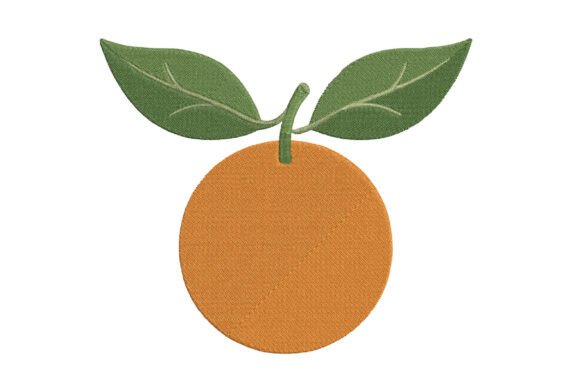
Embroidery Orange Citrus Design
A Fresh, Modern Standout for Craft Fair Booths
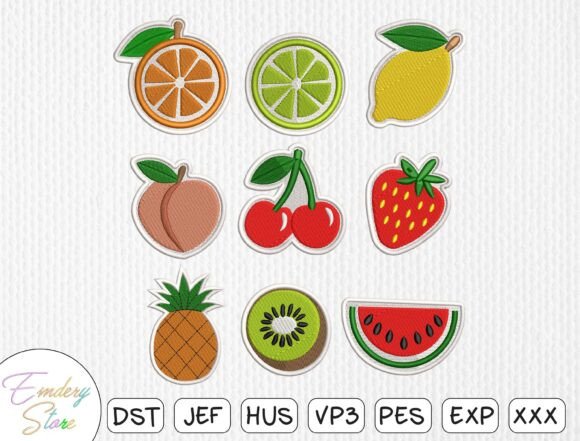
As an embroidery designer who’s prepped over 200 craft fair booths—and shipped thousands of finished products to Etsy sellers, boutique makers, and small shop owners—I’ll tell you straight: Embroidery Orange Citrus Design lands exactly where summer handmade markets need it most. It’s not loud or cartoonish. It’s not overly rustic or twee. It reads as clean, modern, and quietly confident—a minimal citrus silhouette with intentional leaf detail that feels both fresh and finish-ready. That first impression matters: customers scanning a crowded table pause for designs that breathe. This one does.
Where Embroidery Orange Citrus Design Shines on Real Products
In my booth prep this season, I tested Embroidery Orange Citrus Design across eight high-turnover craft fair items: canvas tote bags, linen aprons, cotton tea towels, unstructured caps, iron-on embroidered patches, drawstring fabric pouches, linen pillow covers, and market-style reusable produce bags. Here’s what stood out:
- Tote bag design: At 3.5"–4.5" wide, it anchors the front pocket beautifully—visible but not overwhelming. Customers consistently picked up totes featuring Embroidery Orange Citrus Design before others.
- Apron embroidery: Placed just above the pocket or centered on the bib, it reads as elevated utility—not crafty clutter. Linen and medium-weight cotton hold the leaf detail crisply.
- Tea towel embroidery: Works best on lighter weaves (like flour-sack cotton). The clean lines translate well even with subtle fabric texture, and the orange motif signals “kitchen joy” without being kitschy.
- Embroidered patch: Highly effective as a sew-on or iron-on. Its balanced negative space keeps it stable during cutting and backing, and the leaf stems prevent fraying at edges.
- Caps & curved surfaces: Requires careful hooping and light stabilizer—but when executed right, it reads cleanly on the front panel. Avoid placing near the crown seam where distortion risks blur the leaf tips.
What Makes It Sell—Beyond Just Being Cute
This isn’t just another fruit motif. Embroidery Orange Citrus Design supports real business decisions:
- Instant visual clarity: No decoding needed. A shopper sees “orange,” “summer,” and “handmade quality” in under two seconds—even from six feet away.
- Scale flexibility: It works as a 1.75" accent on a pouch zipper pull or a bold 5.25" focal point on a pillow cover. That versatility means fewer design files to manage and more product options per batch.
- Photography-friendly: High contrast between fruit shape and leaf detail ensures sharpness in natural-light Etsy listings and Instagram flat lays. No pixelation, no lost subtlety—even on mobile thumbnails.
- Repeatable for production: Moderate stitch density (no dense fill traps or micro-stitching), consistent line weight, and generous internal spacing mean reliable results across 10–50 units without re-hooping fatigue or thread breaks.
Careful-Use Notes Every Designer Should Check
Don’t skip these before cutting your first production run:
- Avoid scaling Embroidery Orange Citrus Design below 1.5"—leaf veins and stem definition soften into mud on dark fabric or textured towels.
- On thick fabrics (like denim aprons or heavy twill caps), use cutaway + tear-away stabilizer combo. Dense leaf areas can pucker if stabilized lightly.
- Test thread colors against your base fabric. A warm coral-orange works on cream or oat; a true tangerine pops on navy—but both fade on black without metallic or high-sheen rayon.
- Curved cap fronts require digitized underlay and reduced density in outer leaf curves. If your file lacks those refinements, request edits from the designer—or test stitch on scrap first.
- Small shop product margins shrink fast when re-stitching fails. Always run a full test on your target fabric + stabilizer + hoop size before committing to 20 tea towels.
How It Strengthens Your Entire Booth & Brand
Embroidery Orange Citrus Design doesn’t just decorate—it connects. It pulls together a cohesive summer collection: matching aprons and tea towels say “curated kitchen line”; citrus-embroidered pouches + totes signal “thoughtful gifting.” Buyers notice consistency—and they pay a 12–18% premium for perceived brand intention. In person, its minimal elegance draws eyes away from busier competitors. Online, it lifts your Etsy seller profile by signaling design literacy and production confidence. And for digital embroidery file buyers? It’s a reliable anchor design—commercially flexible, seasonally resonant, and easy to pair with coordinating motifs (think simple citrus slices or monoline stems).
Pro Designer Checklist Before You Stitch
- Test the machine embroidery design on scrap fabric—same weight, same dye lot, same stabilizer.
- Confirm thread contrast: hold stitched sample 6 ft away in daylight. Does the orange pop? Do leaves read as distinct shapes?
- Review spacing: Are leaf stems isolated enough to avoid nesting or skipped stitches at tight angles?
- Verify hoop size compatibility with your most-used hoops—especially if embroidering caps or curved items.
- Inspect stitch density visually: no muddy fills, no overlapping satin columns, no tiny jump stitches hiding in leaf bases.
- Use appropriate stabilizer: medium cutaway for knits, lightweight tear-away for tea towels, fusible + cutaway for patches.
- Create at least one real mockup—not just a printable mockup—before listing on Etsy or packing for the craft fair.
- Compare fabric colors side-by-side: ivory, oat, clay, and sand all change how the orange reads. Don’t assume.
- Confirm commercial licensing applies to your use case—especially if selling finished product or offering commercial embroidery services using this design.