Bad Day to Be a Hotdog Embroidery File
As an embroidery designer who’s stitched thousands of boutique apparel pieces—from limited-run sweatshirts to Etsy-ready denim jackets—I approached the Bad Day to Be a Hotdog Embroidery File with equal parts curiosity and caution. It’s not just another Independence Day-themed machine embroidery design. It’s a tone-setter. A mood ring stitched in thread. And for small creative businesses building recognizable, personality-driven collections, it’s surprisingly versatile—if used intentionally.
A Playful Yet Polished Visual Personality
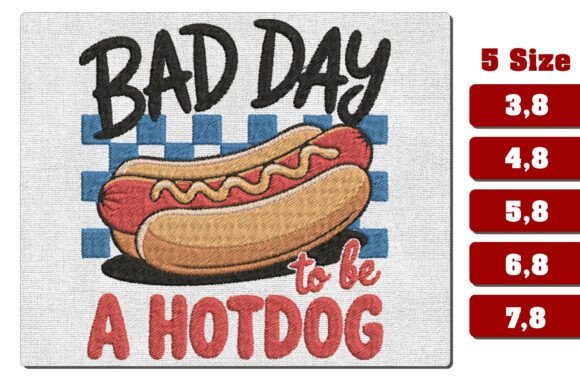
First impression? This isn’t cartoonish clutter—it’s clever minimalism with punch. The Bad Day to Be a Hotdog Embroidery File balances bold outline weight with clean interior stitching, giving it strong readability at even the smallest 3.8-inch size. There’s no excessive fill or dense satin overkill; instead, it leans into confident negative space and balanced stitch density—ideal for fabric texture that matters, like looped fleece or soft-brushed cotton. It feels playful without sacrificing polish, making it equally at home on a curated Instagram feed or a handmade product tag.
Sweatshirt Embroidery That Stands Out—Without Overpowering
For sweatshirt embroidery, especially on neutral heather grays or oatmeal tones, the Bad Day to Be a Hotdog Embroidery File delivers instant character. At 4.8 inches, it anchors a chest placement beautifully—not too shy, not too dominant. On oversized hoodies, I’d lean into the 5.8- or 6.8-inch sizes for sleeve accents or back-center designs. Just be mindful: the hotdog’s curved shape responds best to stable, low-stretch zones. Avoid placing it directly over ribbed cuffs or deep hems unless you’ve tested stabilizer pairing thoroughly.
Hoodie Design Flexibility Across Fabric Types
This machine embroidery design holds up well across varied hoodie fabrics—but only when matched thoughtfully. On smooth-faced French terry? Excellent contrast and crisp edge definition. On brushed-back fleece? Use medium-weight cutaway stabilizer and slightly reduced top tension to prevent puckering around the bun’s rounded edges. Dark garments demand high-contrast thread colors—think mustard yellow or ketchup-red thread on navy or black—so always review your thread palette before hooping. The file’s clean line work means it won’t blur or bleed visually, even on textured surfaces.
Boutique Brand Alignment & Customer Engagement
Small shop owners know this truth: customers don’t just buy apparel—they buy attitude. The Bad Day to Be a Hotdog Embroidery File injects lighthearted confidence into otherwise minimalist pieces. When paired with clean typography on a printable mockup or lifestyle product photo, it strengthens visual consistency across listings—especially for Etsy sellers curating seasonal drops. Buyers recognize it fast. They remember the humor. That recognition builds repeat engagement and supports brand identity far beyond a single holiday season.
Smart Placement for T-Shirts, Denim, and Totes
On standard cotton tees, the 3.8- or 4.8-inch version works perfectly for left-chest branding—compact, legible, and flattering on all genders and fits. For denim jackets, try the 5.8-inch size centered above the back pocket: the design’s compact height avoids overwhelming the jacket’s structure while adding cheeky charm. Tote bags? Go bold—the 7.8-inch size reads clearly from a distance and photographs well in flat-lay social media graphics. Just confirm hoop size compatibility first; large files need larger hoops, and some home machines max out before 7 inches.
What to Test Before You Commit
Before stitching your first batch, treat the Bad Day to Be a Hotdog Embroidery File like any premium digital embroidery file: test on scrap fabric matching your final garment’s weight and stretch. Check stabilizer choice—lightweight tear-away may shift on knit blends; cutaway offers better control. Inspect stitch density visually: look for consistent coverage, no skipped stitches near tight curves, and smooth transitions between satin and fill areas. Compare placement options on a garment mockup—small chest, sleeve cuff, or lower back—and see which tells your story best.
Where Caution Meets Creativity
There are spots where this embroidery file needs thoughtful handling. Tiny lettering isn’t present here (a strength), but the hotdog’s narrow proportions mean stretchy fabrics—like lightweight jersey or ribbed knits—require extra stabilization and possibly reduced stitch speed. Curved surfaces (e.g., shoulder seams or curved pockets) benefit from repositioning the design to follow natural grain lines. And while the file is labeled under Independence Day, its humor transcends the calendar—it’s not inherently patriotic, so feel free to use it year-round as part of your core boutique brand library.
Commercial Embroidery & Licensing Reality Check
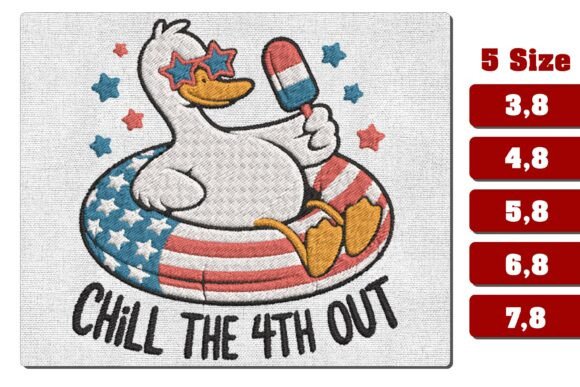
If you’re producing finished product for resale—whether via your own small shop, Etsy, or wholesale partners—always revisit the Creative Fabrica product details. Confirm licensing terms explicitly allow commercial embroidery use for physical goods. Some designers assume “digital embroidery file” equals blanket permission—never assume. Also verify available formats (PES, DST, JEF, etc.) match your machine’s requirements, and double-check that all five sizes (3.8 in, 4.8 in, 5.8 in, 6.8 in, 7.8 in) are included in your download. Missing sizes can derail production timelines.
Final Stitch: Why It Earns Space in Your Library
The Bad Day to Be a Hotdog Embroidery File earns its place not because it’s trendy, but because it’s *reliable*. It’s a rare blend of wit and wearability—designed to translate cleanly from screen to stitch, from sample to shelf. For apparel decorators building cohesive, expressive collections, it’s more than a holiday filler. It’s a signature accent. A conversation starter. A small-but-mighty tool for turning everyday garments into memorable handmade products. Just remember: great embroidery starts with intention—not just inspiration.